
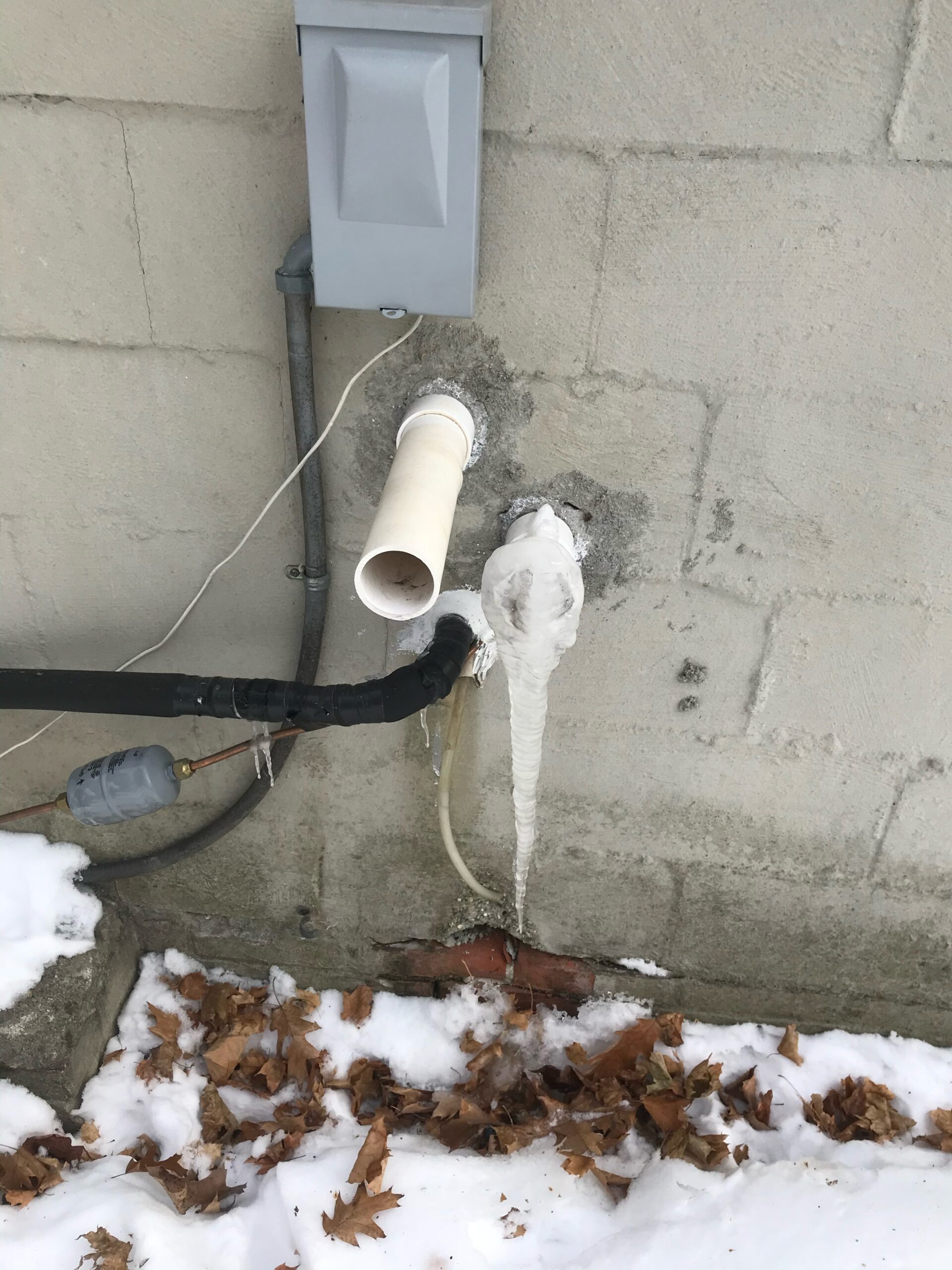
Cromwell, CT — As heavy snow, strong winds, and dangerously cold temperatures impact Connecticut, the Connecticut Energy Marketers Association (CEMA) is urging all homeowners, including those who heat with oil, propane or natural gas, to take immediate steps to protect their families and prevent hazardous conditions inside the home.
Snow accumulation and drifting can quickly block exterior heating system vents and fresh air intakes, which may cause heating systems to malfunction and allow carbon monoxide to enter the home. These vents and intakes are often located on the side of the house and can easily become buried during major winter storms.
“Regardless of the type of fuel a home uses, blocked vents create a serious and potentially deadly risk,” said Chris Herb, President and CEO of CEMA. “Carbon monoxide cannot escape when exhaust vents are covered, and that can quickly turn into a life-threatening situation.”
Clear All Exterior Vents, Including Heating System and Gas Dryer Vents & Fresh Air Intakes
Homeowners should locate and clear all exterior vents and fresh air intakes immediately following heavy snowfall. This includes heating system exhaust and intake vents for oil and natural gas equipment, as well as gas dryer vents.
Blocked gas dryer vents can contribute to carbon monoxide risks, moisture buildup, and fire hazards. If a vent is frozen or iced over, homeowners should not attempt to chip or force it open and should contact a licensed HVAC professional.
Additional Safety Steps During Severe Winter Weather
CEMA recommends the following precautions for all homeowners during major snowstorms:
Test carbon monoxide detectors on every level of the home, especially near bedrooms.
- Watch for warning signs such as unusual odors, system shutdowns
- Keep snow and ice away from exterior exhaust pipes and fresh air intakes.
- Clear snow away from outdoor generators and never operate them near windows or vents.
- Extra Precautions for Homes Heated with Home Heating Fuel
Check oil or propane tank levels before you call for a delivery. If you have a quarter tank or more, you have more than enough fuel to stay warm until the storm passes and it’s safe to make deliveries. - Keep oil and propane fills clear of snow and ice to allow safe fuel delivery.
- Shovel a safe, wide path exterior basement entrances in the event that you need an HVAC technician to service your heating equipment.
- Clear your driveway of snow and treat icy areas so your oil or propane delivery truck can safely access your home to make a delivery.
Help Fuel and Service Crews Stay Safe
CEMA reminds residents that fuel delivery drivers and HVAC service technicians are working in dangerous conditions throughout the storm.
“Clearing access to your home helps crews do their jobs safely and keeps families warm when they need it most,” Herb said.
About CEMA: The Connecticut Energy Marketers Association (CEMA) represents 1600 family-owned and local businesses that provide heating fuels, motor fuels, HVAC services, and energy solutions to homes and businesses across Connecticut. CEMA members are committed to consumer education, safety, and reliable energy delivery—especially during periods of extreme weather.